8 min read · Updated November 22, 2026
How to Color a Coloring Book: 9 Techniques for Beautiful Pages
Palettes, layering, blending and shading: nine simple techniques that make any coloring page look finished and professional.
by Mostafa Abdelazeem · Coco Waya
1. Choose a palette first
Before you color, pick three to five colors that belong together. A limited palette instantly makes a page look harmonious. Try one main color, one or two supporting colors and one accent.
Not sure where to start? Warm palettes (honey, terracotta, rose) feel cozy; cool palettes (sage, teal, lavender) feel calm.
2. Decide where the light comes from
Pick a light source, such as a window, the sun or a lamp, and keep it in mind. Areas facing the light stay lighter, and areas facing away get darker. This single decision makes your page look three-dimensional.
3. Layer, don't press
With colored pencils, build color in light layers instead of pressing hard. Light pressure keeps the paper's tooth open, so you can add more layers and blend later.
Start with your lightest color over the whole shape, then add mid tones and finally the darkest shade where shadows fall.
4. Blend smoothly
To blend two colors, overlap them where they meet with small circular strokes. A colorless blender pencil or a light cream pencil burnished on top melts layers together.
With alcohol markers, work while the ink is still wet and go from light to dark.
5. Shade with a darker shade, not black
Black can make colors look muddy. For shadows, use a darker version of the same color, or a complementary color: purple shadows on yellow, blue on orange, green on red.
6. Add highlights
Leave a small white spot on shiny things like eyes, cups, windows and fruit, or add one afterwards with a white gel pen. It's the quickest way to make a page sparkle.
7. Create texture
Short strokes create fur, little circles make foliage, straight lines suggest wood grain and dots give stone texture. Matching your strokes to the material adds realism without extra effort.
8. Color backgrounds last
Finish the main subject first, then choose a background that makes it stand out: light backgrounds behind dark subjects, and the reverse. A soft gradient is often more beautiful than a solid fill.
9. Protect the next page
Always slip a sheet of paper or thin card behind your page, especially with markers. Single-sided books such as Cozy Gardens and Cozy Cute Cats make this even safer.
- Comfy and Cozy
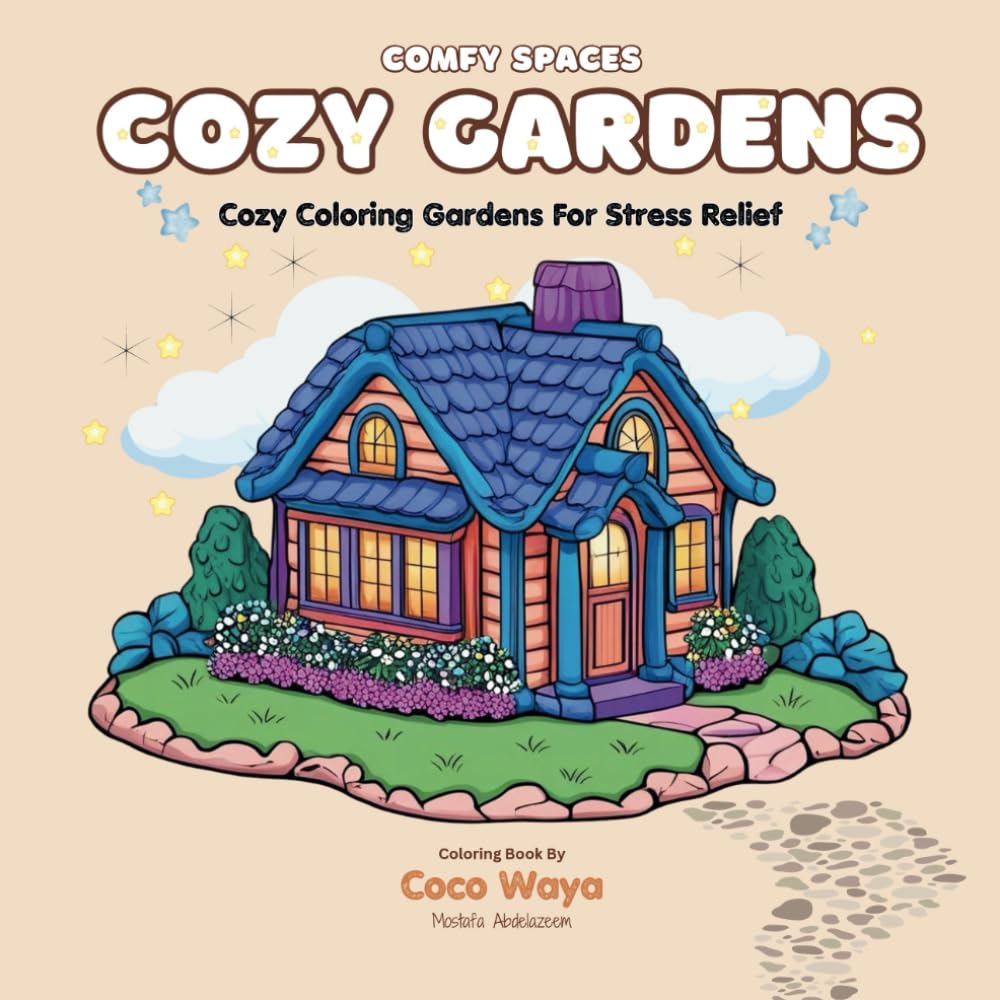
Adults & teens · 30 illustrations
Cozy Gardens
30 garden cottages, flower paths and comfy little spaces full of warm details.
$12.99on amazon.com
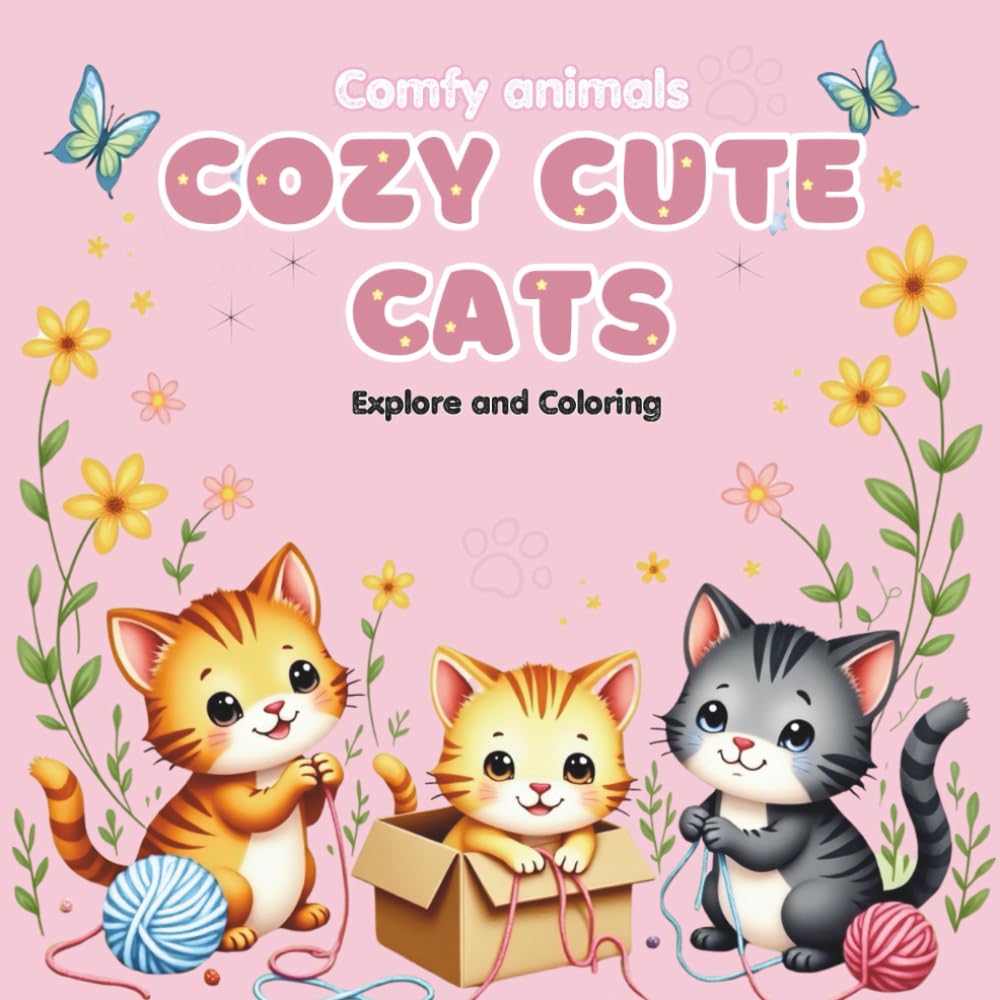
Adults & teens · 30 illustrations
Cozy Cute Cats
30 cozy scenes of playful kittens, yarn balls, boxes and flowers.
$9.99on amazon.com
- Comfy and Cozy
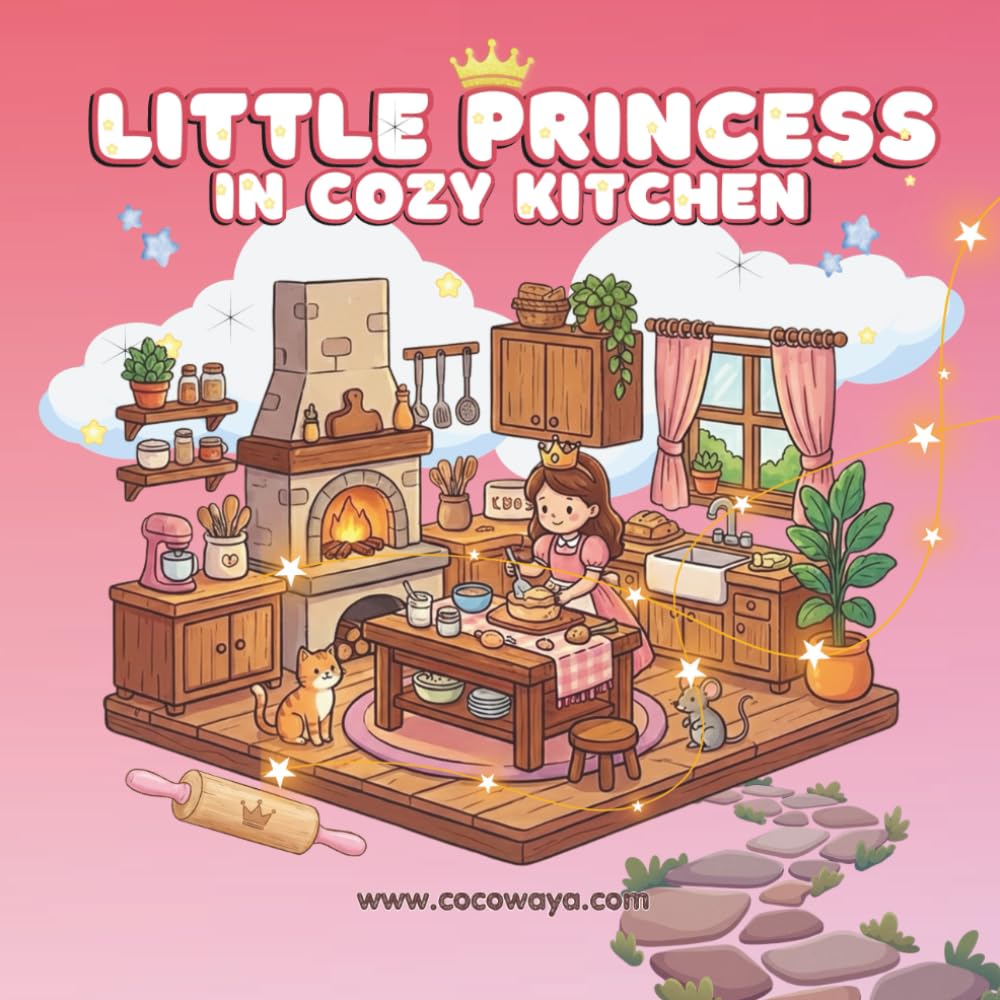
Adults & teens · 71 pages
Little Princess in Cozy Kitchen
A sweet little princess baking, cooking and decorating her cozy kitchen.
$9.99on amazon.com